Why Phonorecords V Will Change the Way You Earn Streaming Royalties (2028–2032 Explained)

By Tami LaTrell | November 2, 2026 | Royalty Education
The next round of U.S. streaming mechanical royalty rates is now being debated, and the outcome could shape how songwriters and publishers are paid from 2028 through 2032.
The Copyright Royalty Board (CRB) proceeding known as Phonorecords V is in discovery, after written proposals were filed on October 5, 2026. The rates are not final. But the proposals show a clear divide: Spotify, Apple, Google and Pandora want to continue the current 2027 rate structure, including a 15.35% headline rate. Amazon proposes 13.4%. The National Music Publishers’ Association (NMPA) and Nashville Songwriters Association International (NSAI) propose a higher, multi-part formula that includes 20% of revenue.
That debate matters. But a better rate only helps you if your song and ownership information can be matched to the use. Talent creates the opportunity. Infrastructure protects the value.
What Phonorecords V actually is
Phonorecords V is the CRB proceeding that will establish U.S. statutory mechanical royalty rates for certain digital music uses, including on-demand streaming, for 2028–2032. The current Phonorecords IV rate structure covers the period through 2027.
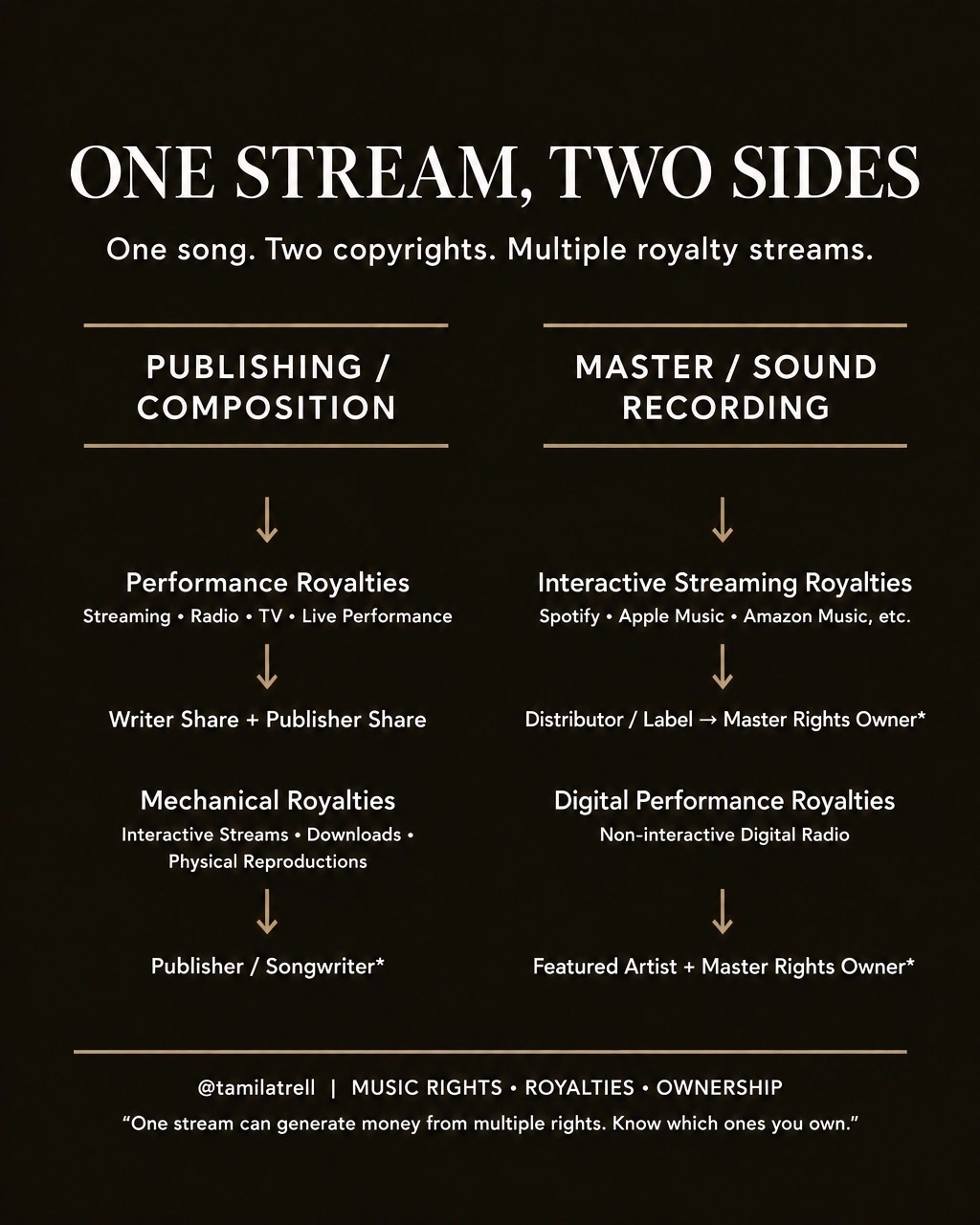
A mechanical royalty is paid for the use of a musical composition: the underlying song, rather than the sound recording. For interactive streaming, a single play can generate money on both the composition and recording sides, but those are separate rights and royalty paths.
The CRB proceeding concerns the statutory rate framework used to calculate streaming mechanical royalties. It does not set every part of an artist’s streaming income, and none of the proposals is a guaranteed flat payment for every stream. The percentage-based proposals rely on service revenue and other calculations; their results can vary.
The proposals, in plain language
Here’s the central divide as of November 2, 2026:
- Spotify, Apple, Google and Pandora: Continue the current 2027 structure, including the 15.35% headline rate, for 2028–2032.
- Amazon: Reduce the headline rate to 13.4%.
- NMPA and NSAI: Pay the greatest of four measures: 20% of revenue, 40% of what services pay record labels, $2.40 per subscriber, or $0.004 per play.
- Other industry groups: Set a flat $0.0030 per-stream rate.
“Greatest of” is important. Under the NMPA and NSAI proposal, the four amounts are alternatives used to determine the applicable payment, not four amounts added together. The proposal’s $0.004-per-play measure is an explicit per-play benchmark. By contrast, a percentage of service revenue is not a fixed amount per stream: the final calculation depends on the service’s numbers and the applicable rules.
A flat $0.0030 rate is easier to picture because it is tied directly to each qualifying play. But it is a separate proposal, not a rate already adopted by the CRB.
The main fight: 13.4% or 20%?
Amazon’s 13.4% proposal would lower the headline rate from the 15.35% structure proposed by Spotify, Apple, Google and Pandora. NMPA and NSAI are pushing in the opposite direction, proposing 20% of revenue as one of several possible measures.
The difference is not simply “a few percentage points” for every songwriter. A headline percentage does not tell an individual creator exactly what a stream will earn. The resulting mechanical royalty depends on how the rules apply to the service’s revenue, subscriber base, record-label payments and other relevant factors. The CRB has not selected a final formula.
The NMPA publicly called Amazon’s proposal “terrible.” That criticism reflects the sharp disagreement between the sides; it does not mean the CRB has decided the issue.
The Digital Media Association (DIMA), which represents streaming services, has pointed to 30% growth in publishing revenues since 2022. That figure is part of the broader industry discussion. It does not settle how streaming mechanical rates should be calculated, or what share of a service’s revenue should flow to songwriters and publishers.
For creators, the practical point is to follow the proceeding without treating any proposal as a promise. If the parties do not reach a settlement, a hearing is scheduled for March 22 through April 15, 2027. The rates established in Phonorecords V will cover 2028–2032.
A higher rate cannot fix missing or incorrect data
A royalty rate determines how money is calculated. It does not identify the right songwriter, publisher or ownership share.
For digital streaming mechanicals, The Mechanical Licensing Collective (The MLC) collects royalties from eligible U.S. digital services and matches reported uses to musical-work data. If information is missing, inconsistent or incomplete, a work may not match correctly, or a share may remain unclaimed. The MLC explains its collection and matching process in its FAQ.
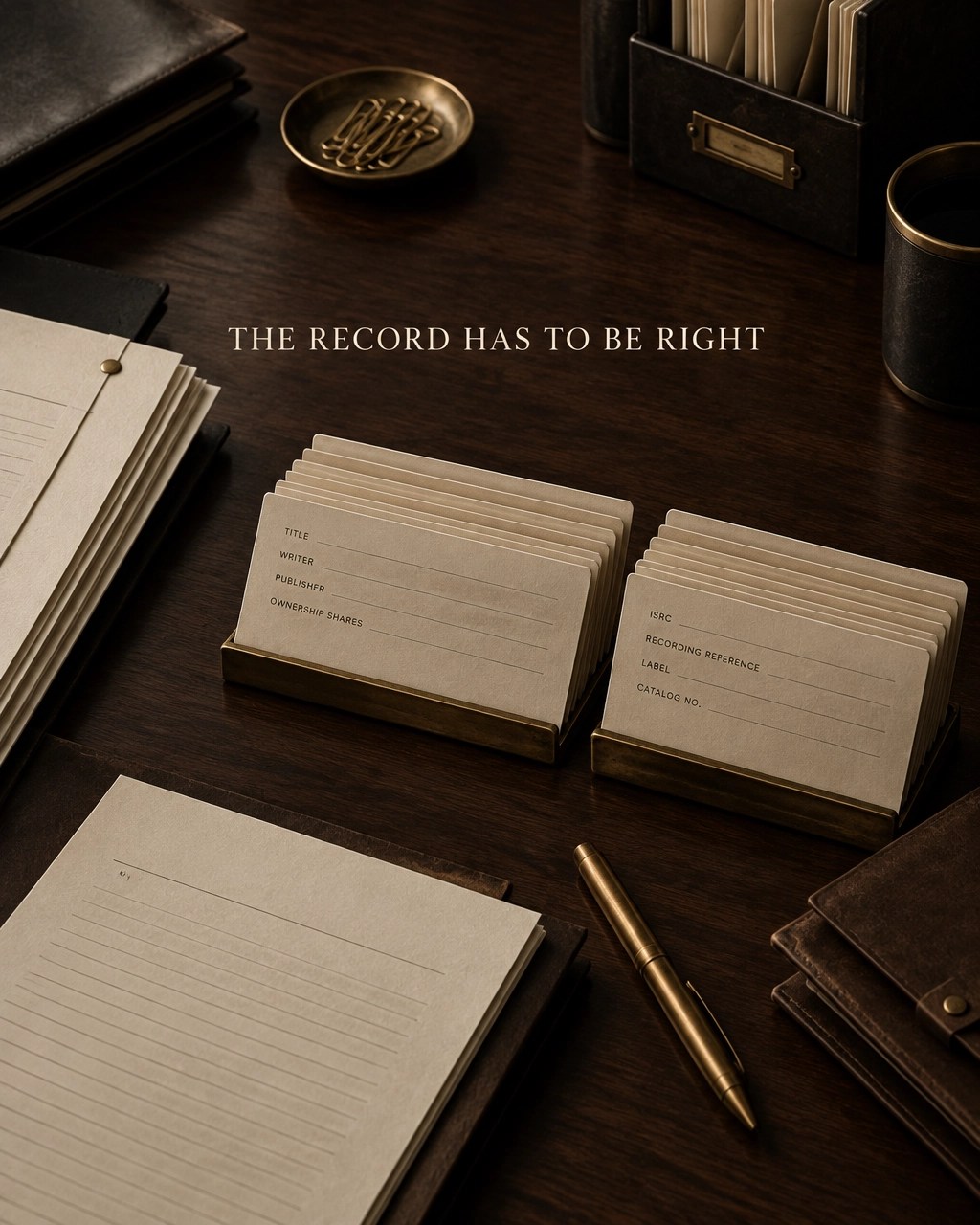
That makes accurate song registration, ownership shares and metadata essential. Keep a reliable record of each song’s title, writers, splits, publisher information and related recording details. Use consistent names and identifiers across your distributor, publisher or administrator, The MLC and other relevant systems.
PRO registration also matters, but for a different royalty lane. Performing rights organizations collect performance royalties. They do not replace The MLC for U.S. streaming mechanical royalties. A songwriter may need both systems in order to track distinct publishing income streams.
MLC and HFA: know which mechanical lane you’re checking
It helps to think about mechanical royalties by use.
For eligible U.S. streaming and download uses under the statutory blanket license, The MLC administers the digital mechanical royalty process: services report usage and pay royalties, and The MLC matches that activity to musical works. HFA is a separate organization and provides services to The MLC as a vendor. You do not need to affiliate with HFA to receive mechanical royalties from The MLC.
Physical copies, such as CDs and vinyl, are a different lane. Those uses require mechanical licensing, and the licensing or administration may involve a publisher, record company, HFA or another administrator, depending on the arrangement. HFA is not the universal payor for every physical mechanical royalty.
So a practical MLC and HFA review means checking that digital streaming works are correctly registered and matched, while also reviewing the licensing and royalty-administration route for physical products where relevant.
What The Mezzo Agency Checks
- Work registration: Are your songs represented in The MLC and other relevant publishing systems?
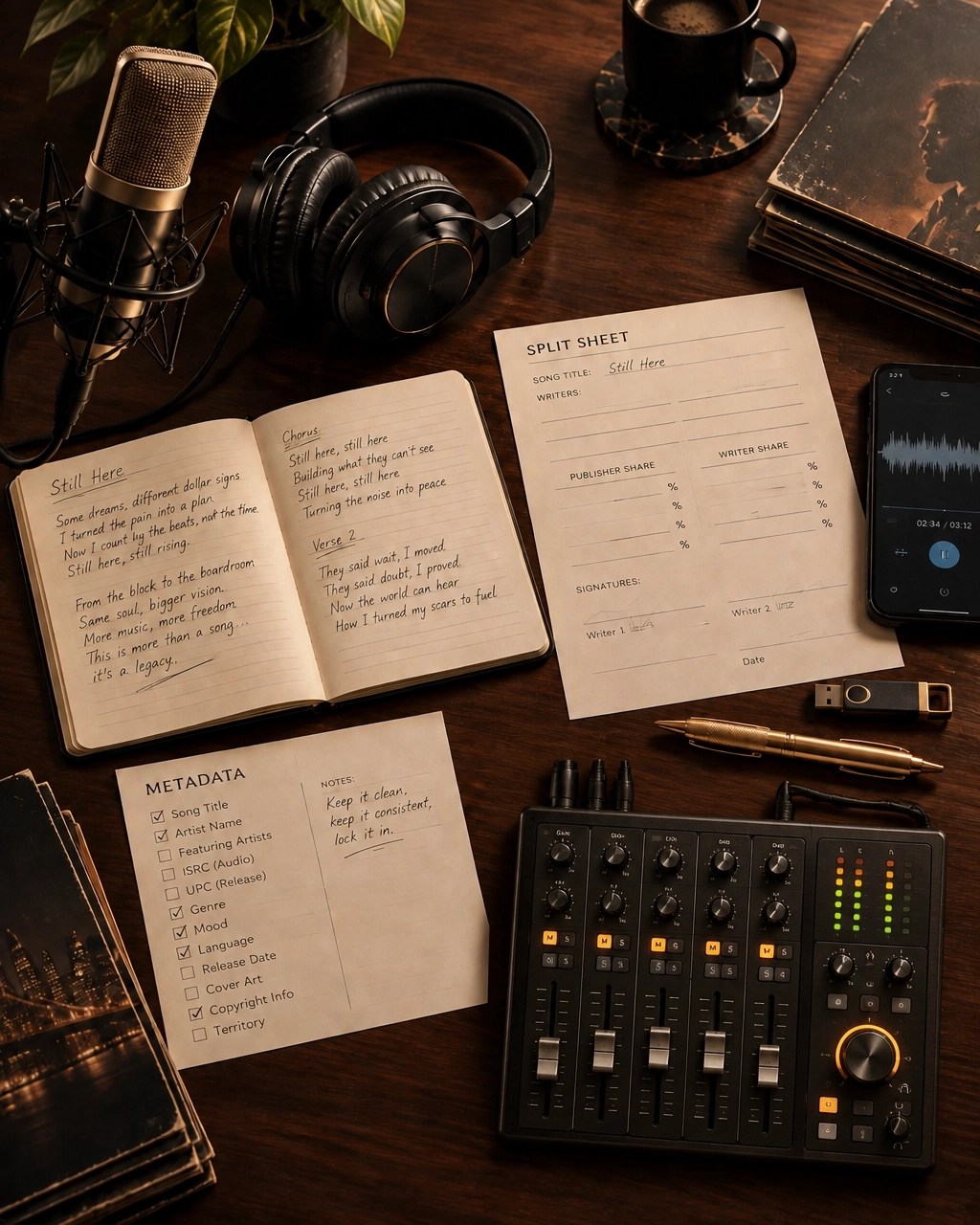
- Writer shares and splits: Do the ownership shares match your signed split sheets and agreements?
- Metadata consistency: Are song titles, writer names, publisher details and recording references consistent across records?
- Royalty lanes: Are streaming mechanicals, PRO performance royalties and physical mechanical uses being treated as separate income paths?
- Unmatched or unclaimed activity: Are there works or ownership shares that may need follow-up?
- Catalog records: Can you connect each recording to the correct composition and ownership information?
What creators can do now
You do not need to predict the final CRB decision to improve your royalty readiness.
- Review your catalog. Make a complete list of your released songs and the recordings associated with them.
- Confirm splits in writing. Keep signed, agreed ownership shares easy to find.
- Check registration data. Compare your records with your PRO and The MLC. Resolve missing works or incorrect details.
- Keep the physical lane in view. If you have CDs or vinyl releases, confirm who handles mechanical licensing and how royalties are reported.
- Follow the proceeding. The CRB docket for case 25-CRB-0013-PR is the primary record. For reporting and proposal summaries, see Music Business Worldwide’s overview of the rate proposals, its report on the filings and DIMA’s revenue-growth point, and Digital Music News on the Amazon proposal and flat-rate proposal.
Phonorecords V could change how streaming mechanical royalties are calculated for five years. Whatever formula prevails, the creator’s share still depends on accurate ownership information and a clear path from reported use to the right work.
Talent creates the opportunity. Infrastructure protects the value. If you want help reviewing your catalog and royalty administration, contact The Mezzo Agency to discuss a music business assessment.

You Might Also Like


